
UX CASE
How we prepared a financial product to scale and adapt to market changes
4 months, 2022
Fintech
iGaming
B2B
Product Designer
When I joined SafeWay, the product was still in its early stages. It already served one sports betting operator and, during its first month in operation, had processed approximately R$700 in transactions.
The solution had been built to support the business's initial operational needs. However, as the company set its sights on scaling, it became clear that the platform needed a stronger foundation to support long-term growth.
Preparing the platform for this new phase required a cross-functional effort. While the engineering team evolved the infrastructure to support increasing transaction volumes, new priorities emerged, including player identification, transaction monitoring, fraud prevention, and later, compliance with industry regulations. My role was to ensure that the product evolved consistently by designing an experience capable of growing alongside the business.
The project in numbers
R$ 2B
in monthly transactions
13
betting operators served
10K
end-users across client platforms
3
years of continuous operation
Starting point
Before proposing solutions, we needed to understand the context.
Market
• The Brazilian betting market grew from R$2 billion to R$7 billion between 2018 and 2020;
• Fast payments were among the main decision factors for users;
• 48% of bettors placed bets one to three times per week;
• 33% of bettors had accounts on multiple betting platforms.
Competitors
• Multiple payment methods had already become an industry standard;
• Competitors made transaction fees transparent to customers;
• Consistent interfaces inspired greater trust in a financial environment.
Our product
• The platform had evolved incrementally, resulting in visual inconsistencies and loosely defined design patterns;
• Critical actions lacked clear visual feedback, increasing uncertainty during everyday use;
• The product's growth required a stronger foundation to support future capabilities.
Customer needs
• Speed and low friction were essential throughout the payment journey;
• Verifying player identity was critical for the operation;
• Operators needed real-time visibility into transaction status;
• Critical alerts had to appear at the right moment to prevent operational issues.
These findings showed that the challenge was not only to support business growth, but to build a foundation capable of sustaining the product's evolution.
Building a foundation for growth
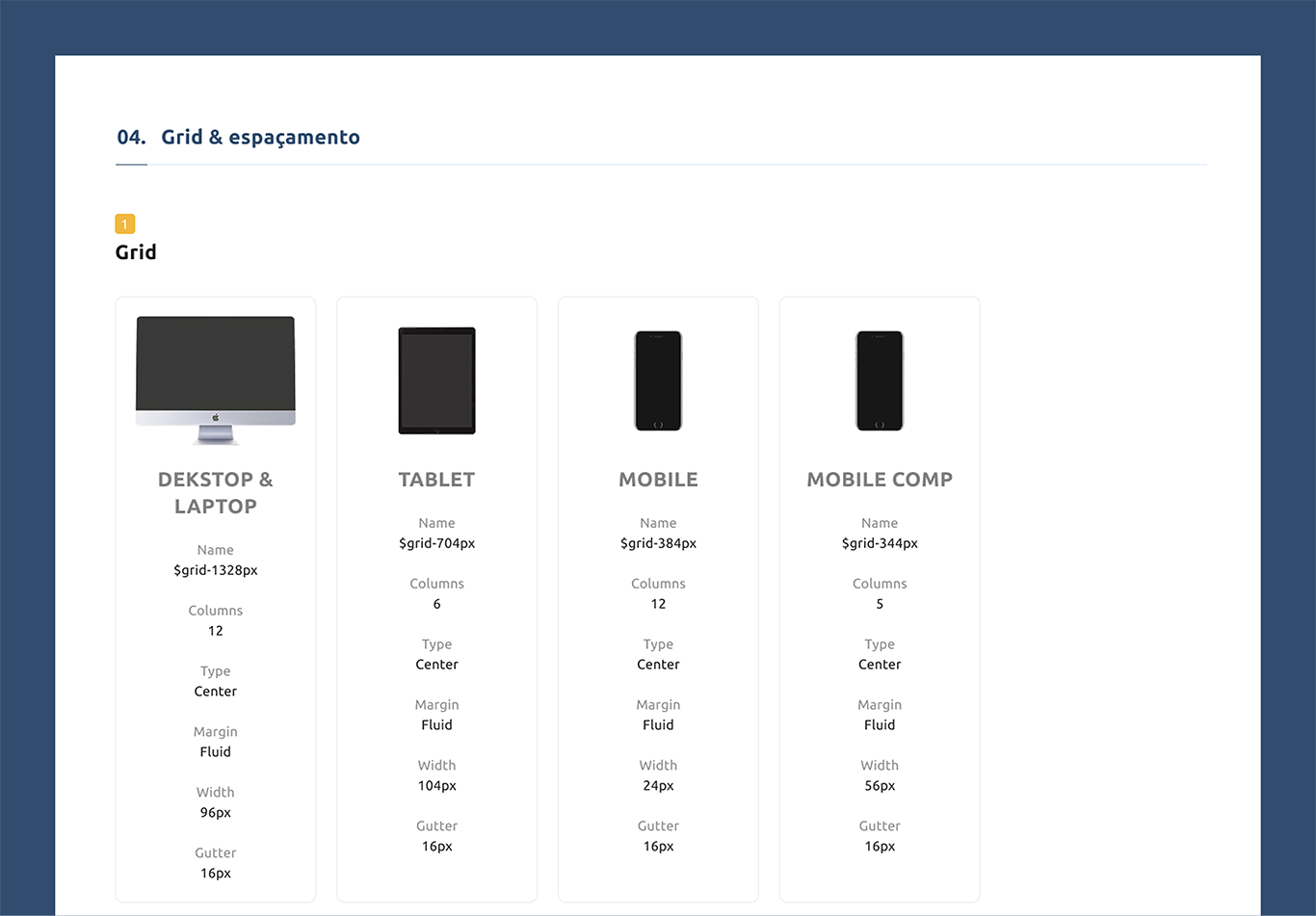
Design System
These findings showed that the challenge was not only to support business growth, but to build a foundation capable of sustaining the product's evolution.
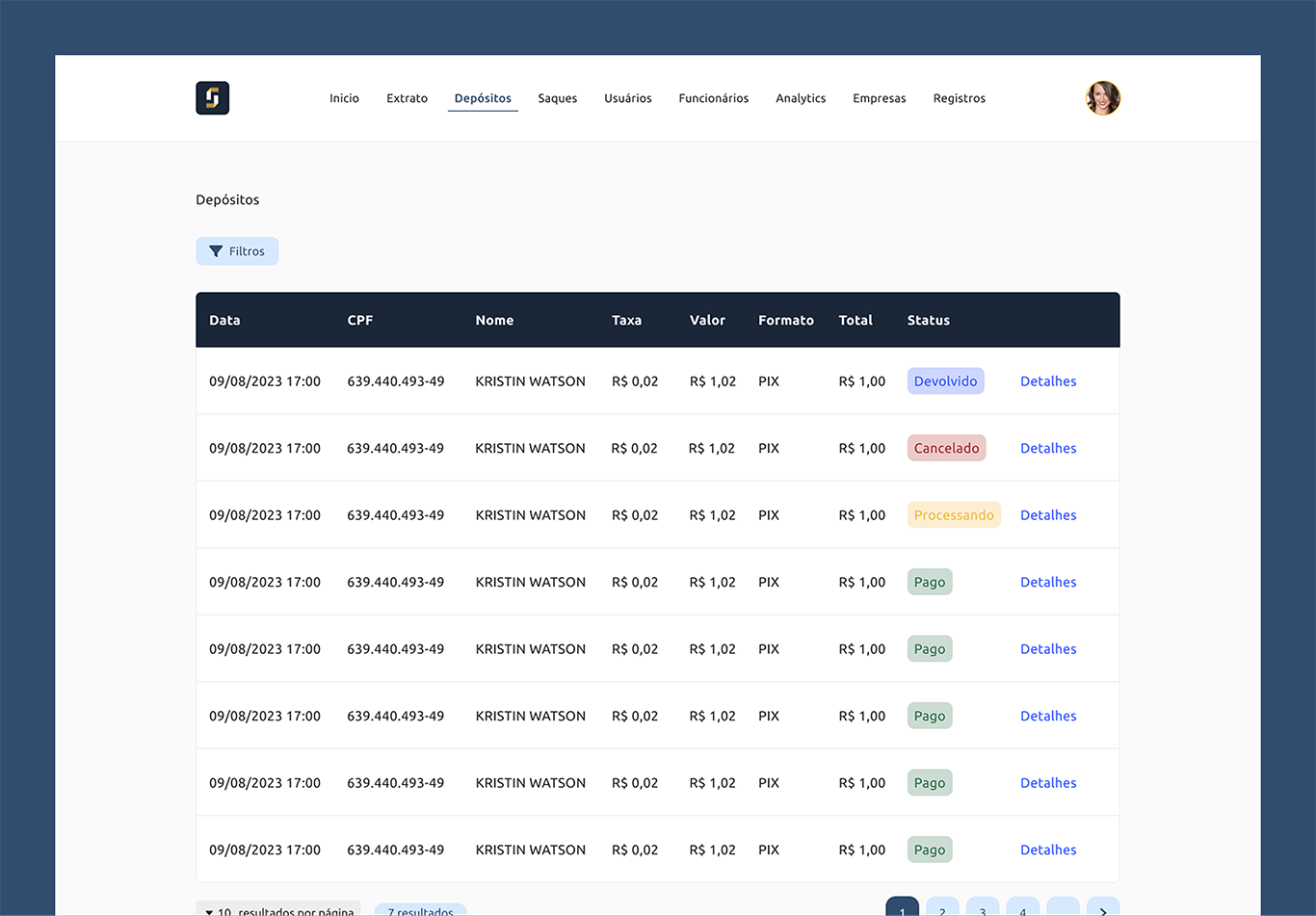
Consistent interface
We redesigned the interface to eliminate visual inconsistencies, establish clearer patterns, and create a more predictable user experience.
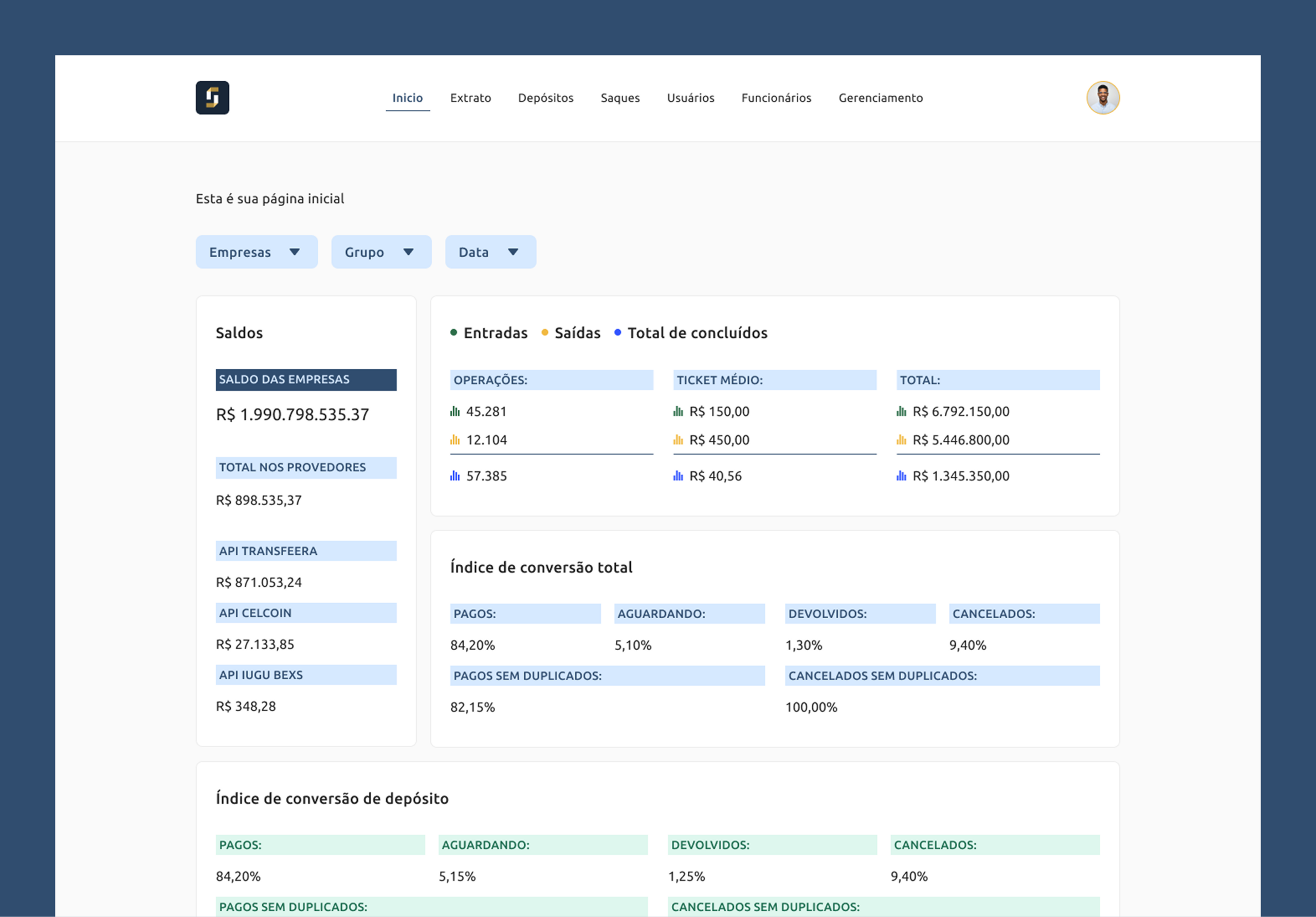
Efficiency
We streamlined critical workflows, including checkout, payment search, and transaction monitoring, making day-to-day operations faster and more efficient.
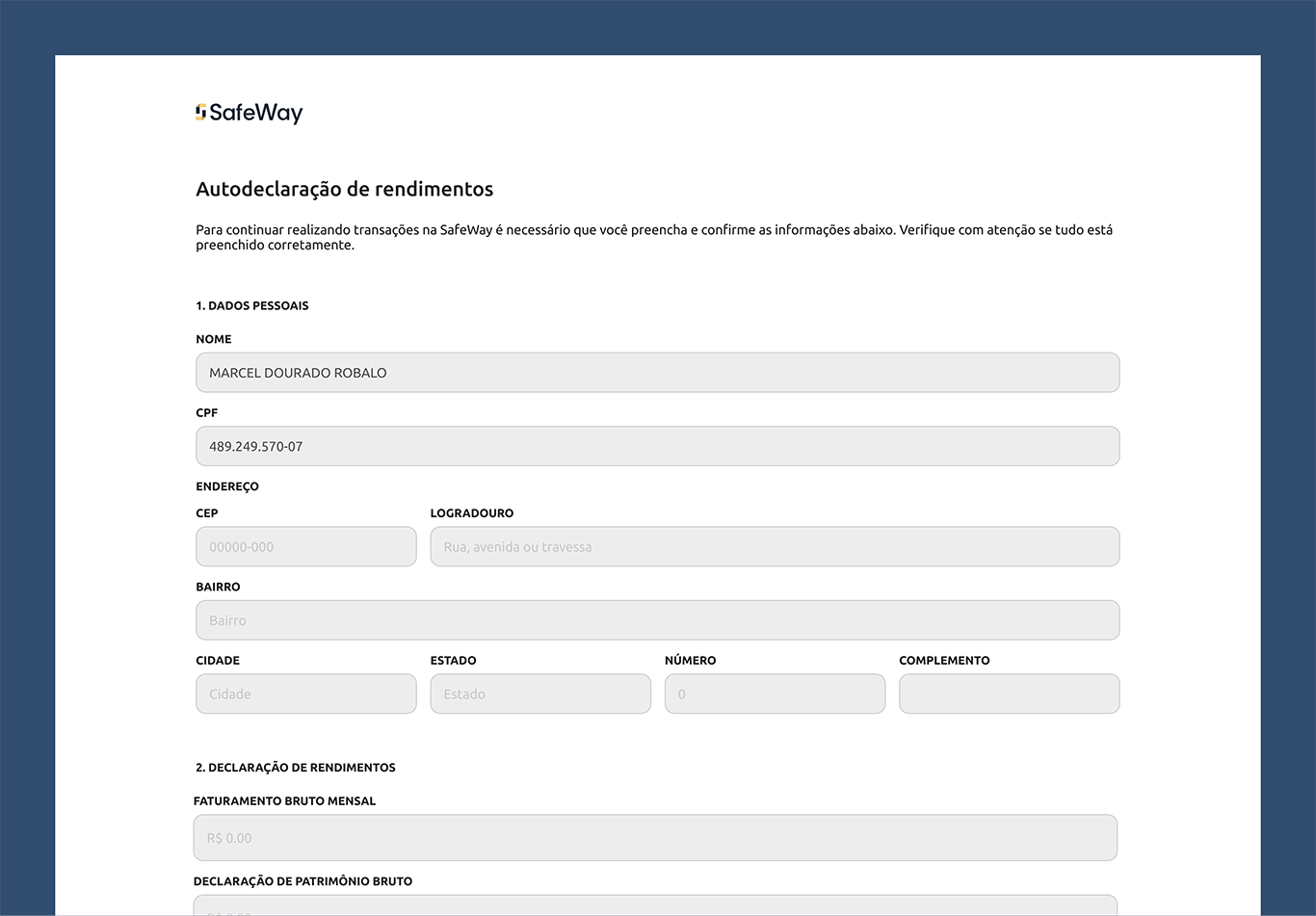
New capabilities
We expanded the platform to support new business requirements, including player verification, fraud prevention, and multiple payment methods.
Evolving with the market
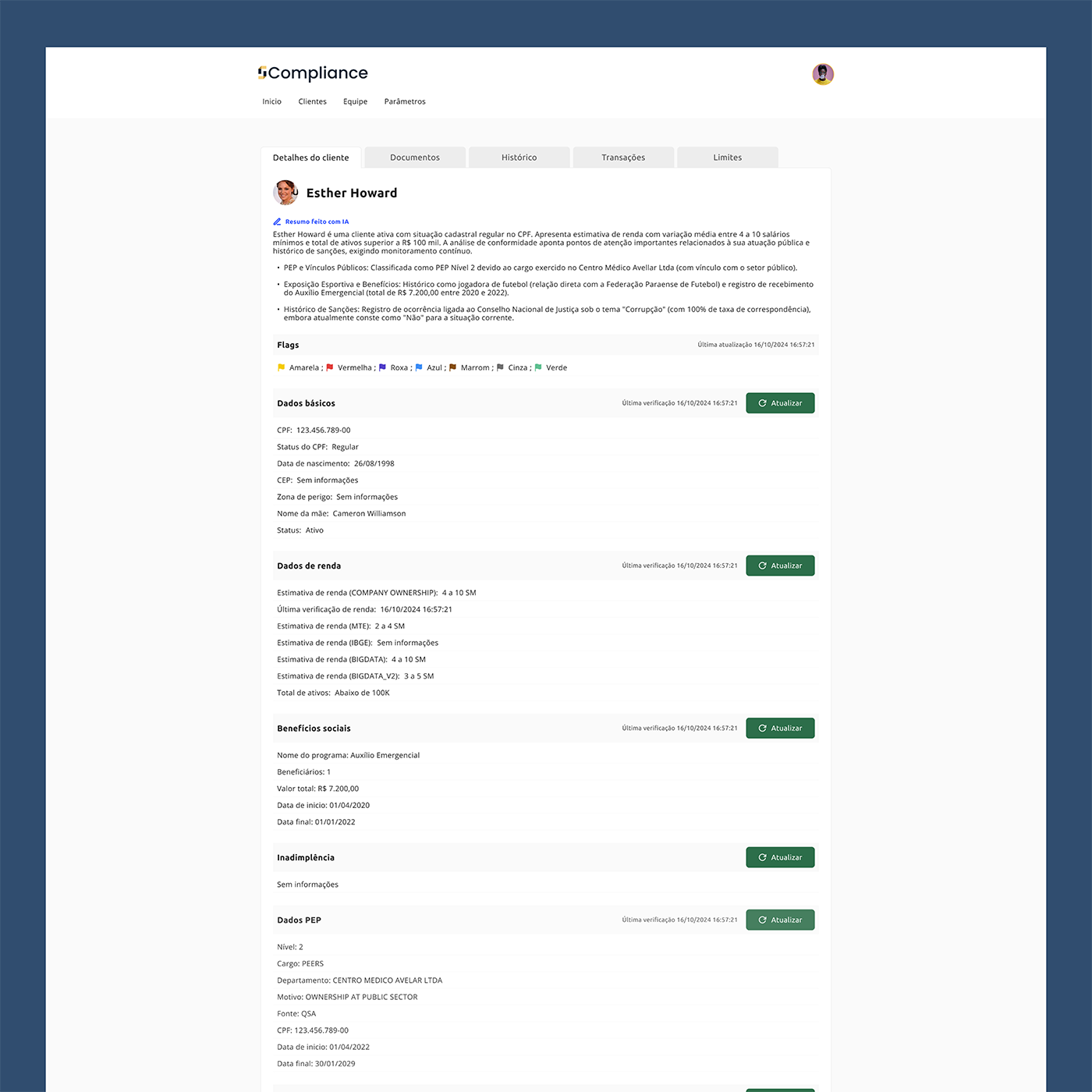
As the platform matured, the market faced another major shift: the regulation of Brazil's betting industry. To remain compliant, betting operators had to meet new requirements related to player identification, compliance, and fraud prevention.
The foundation built over the years enabled SafeWay to take the next step. Rather than simply adapting the existing platform, the company expanded its offering with Compliance as a Service, a complementary product designed to help operators meet the new regulatory requirements.
This marked SafeWay's evolution from a payment processing platform into a broader financial ecosystem capable of supporting operators with both payment operations and regulatory compliance.
What we learned
This project taught me that products rarely remain the same. Over the years, business growth, market changes, and industry regulation continuously reshaped priorities.
More importantly, I learned that the value of design goes beyond solving today's problems. It lies in creating a strong foundation that allows a product to keep evolving without sacrificing clarity, efficiency, or trust.